


Learn DevOps,
data and AI
- 809
- lessons
- 7
- documents
- 181
- free lessons
From a commit to infrastructure you can replay
The course follows this chain in this order, one module at a time. Each step builds on the previous one and is practised on a real project.
- 01Git
Version, branch and merge without losing your way
- 02Jenkins
Build and test on every commit
- 03Docker
Package the application with everything it needs
- 04Kubernetes
Deploy, scale and survive a failure
- 05Terraform
Describe the infrastructure so you can replay it
Complete courses, module by module
Every course follows a real syllabus: ordered modules, self-contained lessons, exercises with their solutions. The first modules are open to everyone.
Development and Deployment of Data Solutions
From an empty workstation to an automatically deployed, monitored, and reproducible application: Git, Jenkins, Docker, Kubernetes, Helm, Ansible, Terraform, and observability.
Supervised Learning: From Zero to a Professional Project
A complete, progressive path from the basic vocabulary to a model in production. Problem framing, data preparation, classification and regression algorithms, metrics and business costs, leak-proof pipelines, interpretability, deployment and monitoring — with hands-on labs throughout.
Supervised Learning Explained to Kids: 100 AI Concepts in Simple Words
One hundred questions, one hundred one-page answers, without a single formula: what AI is, how a computer learns from an answer key, the algorithms, the neural networks, the large language models, the data and its biases, AI in real life, and the jobs of tomorrow. For kids — and for curious adults just getting started.
Deep Learning: From Intuition to Deployment
From neural networks to Transformers: tensors, MLPs, forward propagation, gradient and backpropagation, optimization, initialization, regularization, then CNNs, RNN/LSTM/GRU, attention, embeddings and generative models — through to MLOps deployment and ethics. Five PyTorch labs, a defensible final project, nine modern deep dives.
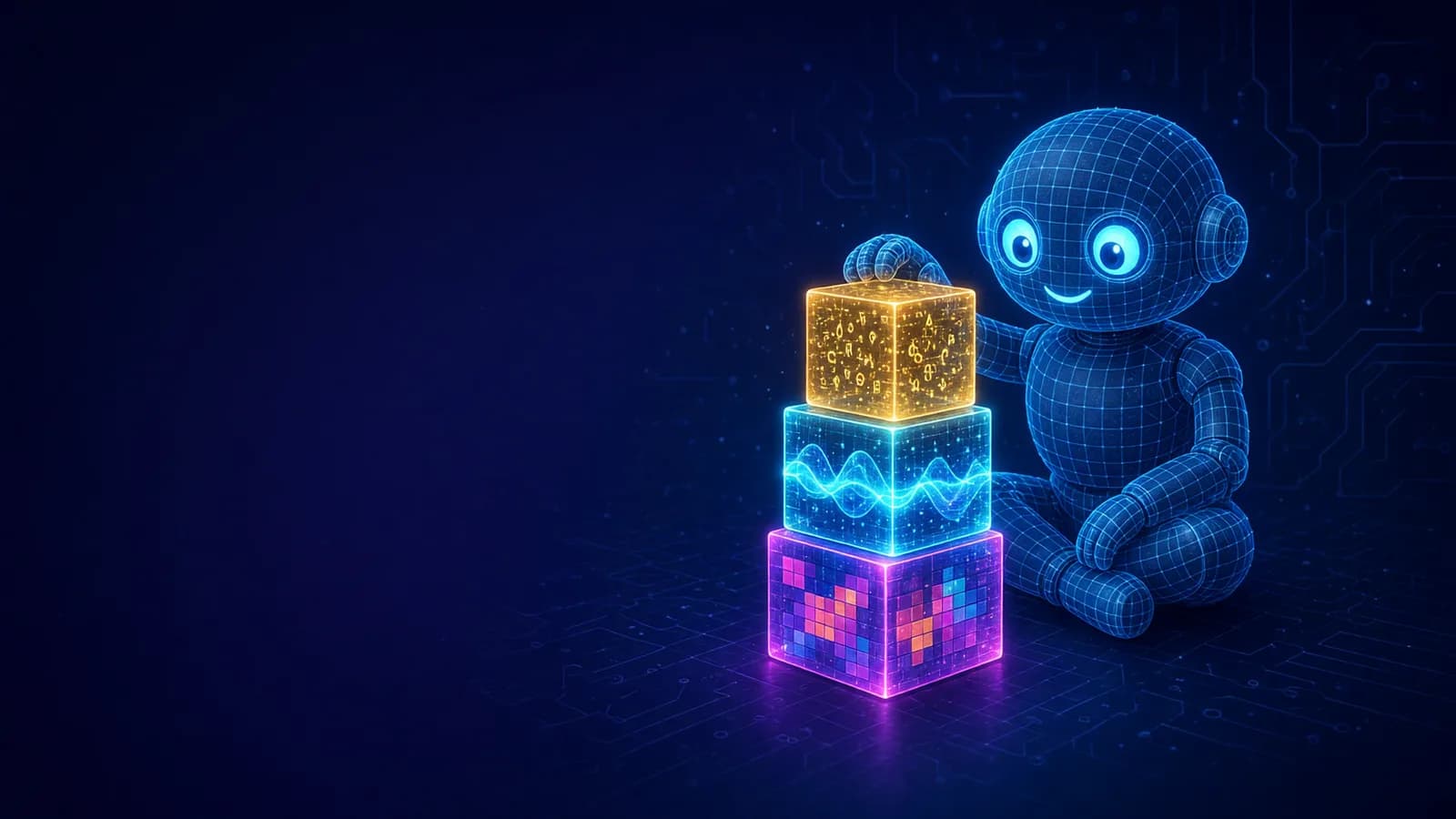
Deep Learning Explained to Kids: Neurons, Images, Text and Much More
Not a single formula: how a neural network is built, how it learns by correcting its mistakes, how it looks at images, listens to sounds, reads language and even creates drawings. Every lesson fits on one page, with a simple diagram and a screen-free activity. For curious kids and beginner adults.
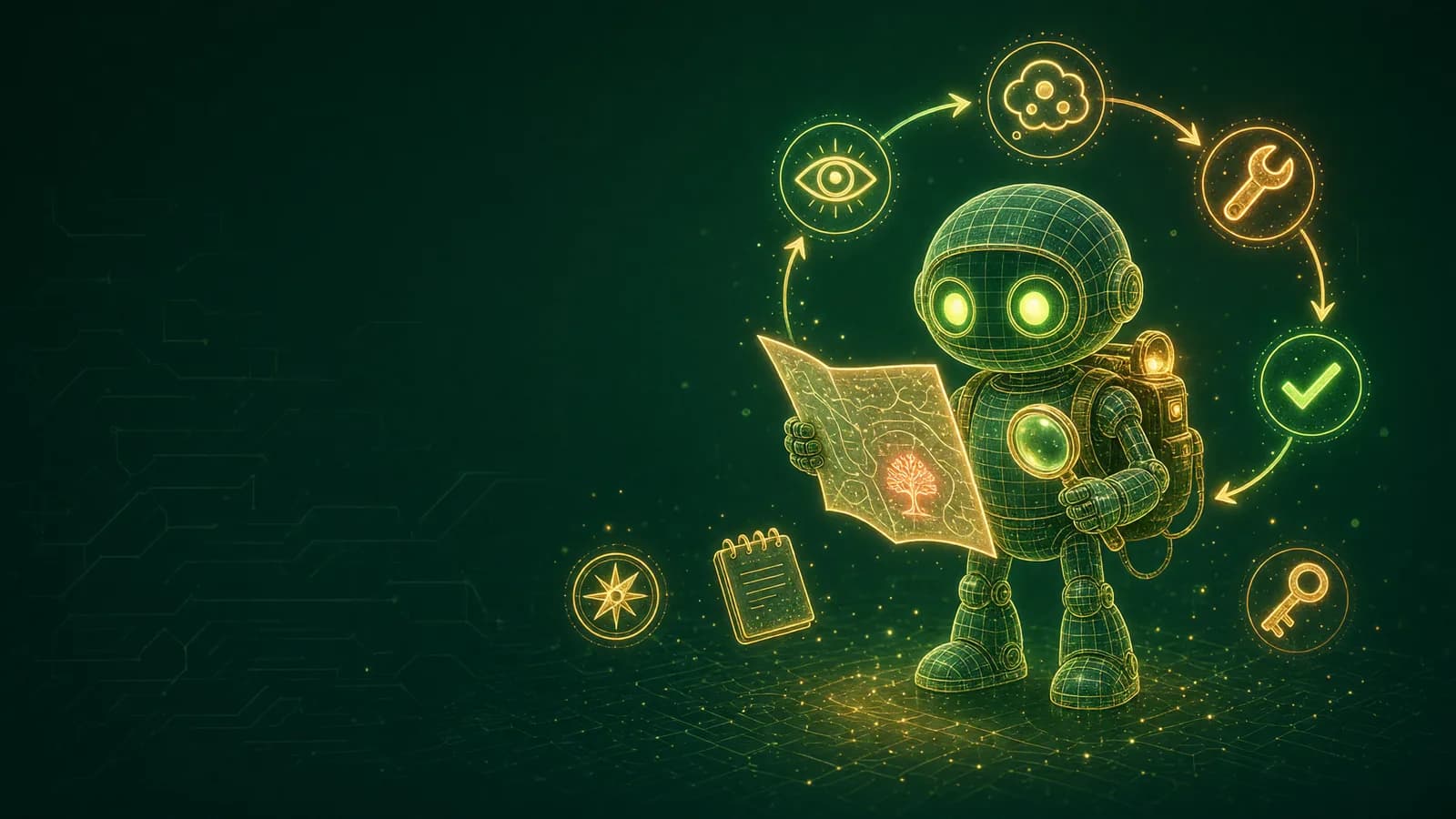
Agentic AI Explained to Kids: Agents That Think, Act and Check Their Work
Not a single formula: discover how an AI agent goes further than a chatbot by looking, thinking, using tools and checking its work until the goal is reached. Memory, planning, agent teams, guardrails and sandboxes, all with everyday analogies, simple diagrams and screen-free activities. For curious kids and beginner adults.
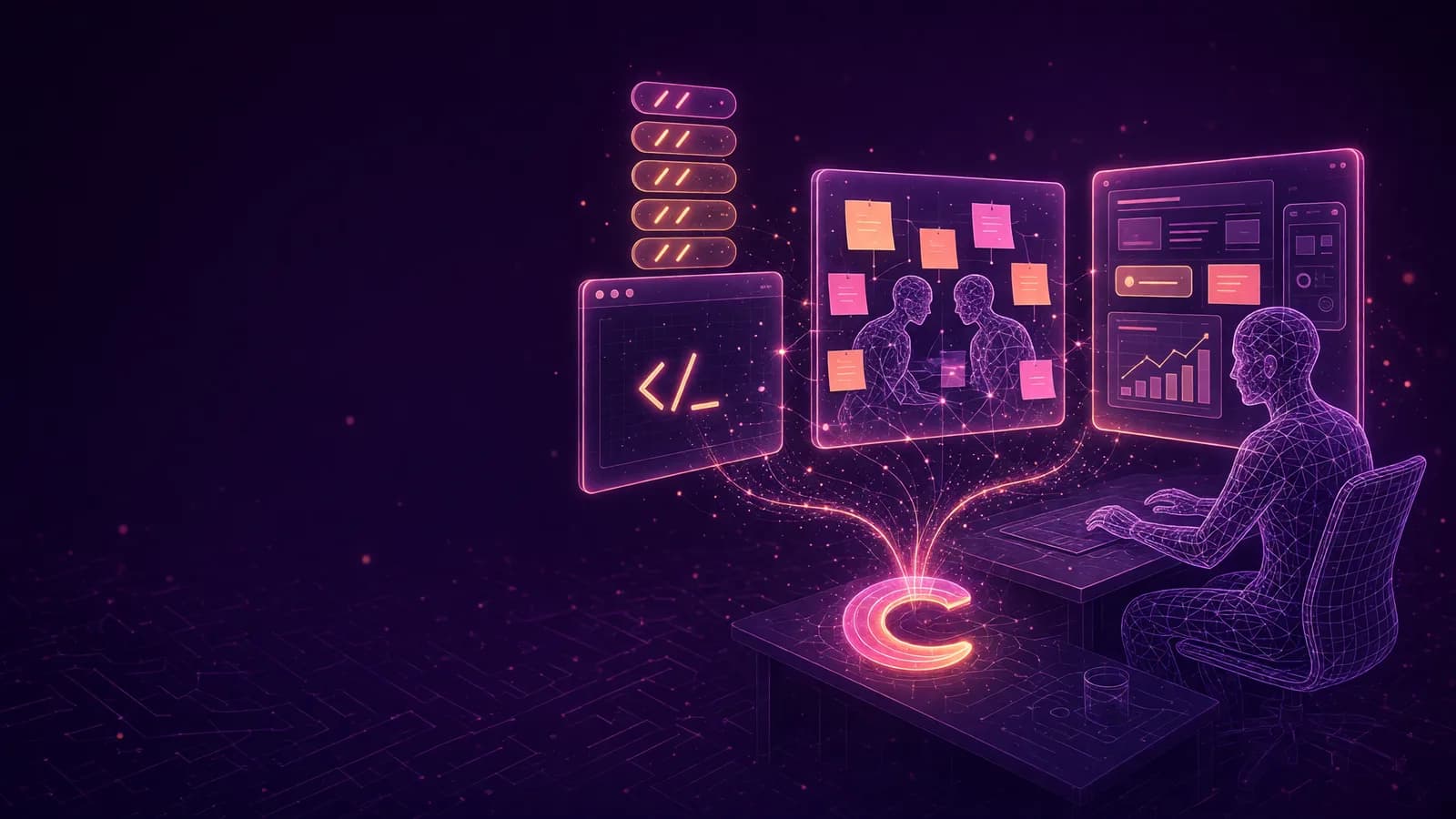
The Claude Family: Code, Cowork and Design — The Practical Handbook
A hands-on developer handbook to the Claude family. Drive Claude Code from your terminal, set safe permissions, package Skills, wire hooks and MCP servers, delegate to subagents, collaborate in Cowork and prototype in Design — and move real projects fluidly across the three surfaces.
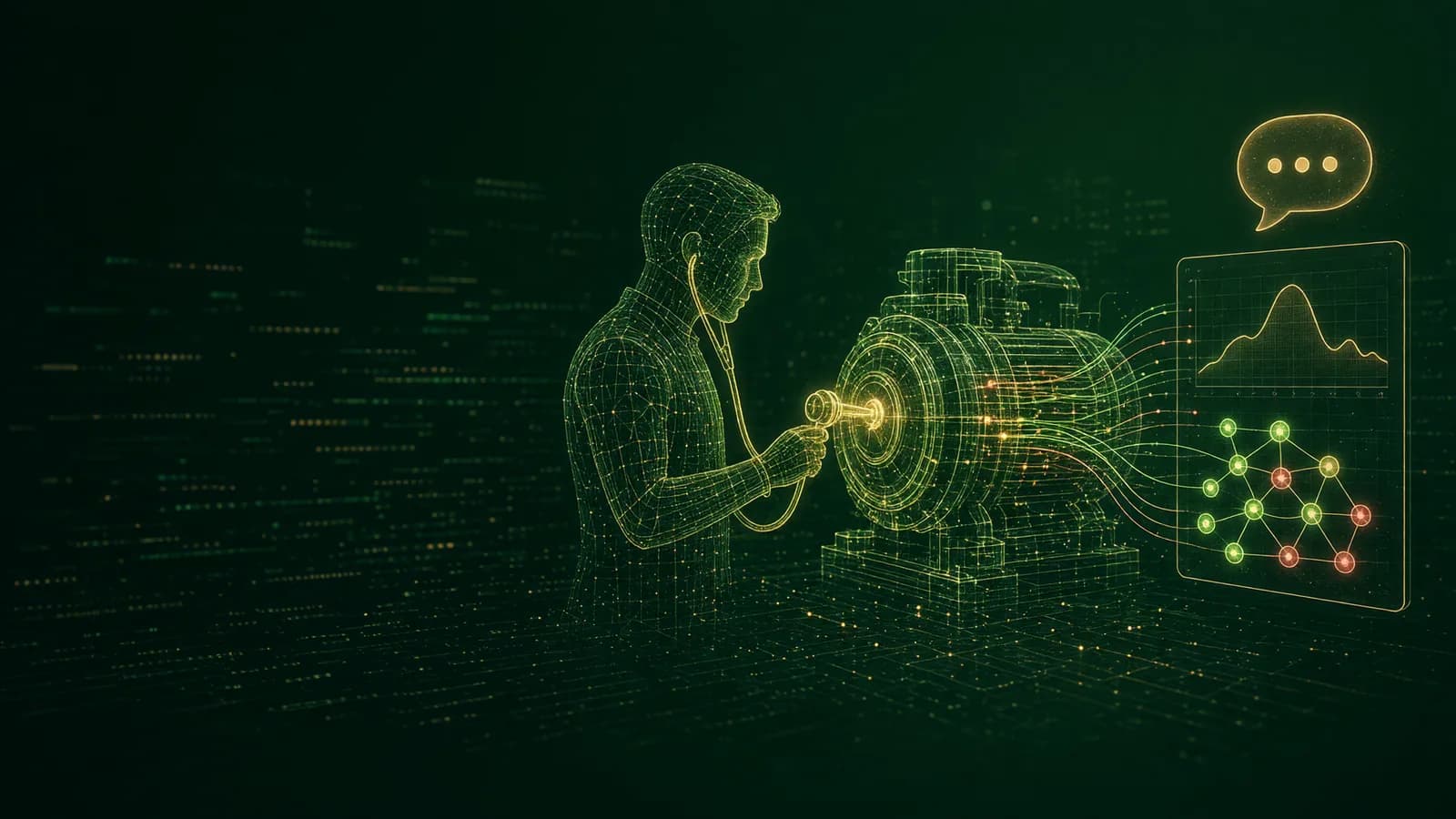
Machine Learning for Data Diagnostics: From Raw Data to Local LLM Agents
Built to make you work, not listen: five-minute lessons, a quiz after each one, guided exercises on one dataset of 40 industrial machines. From pandas, SQL and feature engineering to regression, random forests, clustering and neural networks; then embeddings, RAG, local LLMs with Ollama and LangChain, text-to-SQL tools, LangGraph agents and a Streamlit diagnostic app. Free, offline, no API key.

Elasticsearch, OpenSearch, Kibana, and Neo4j: The All-in-One Docker Lab
A Docker lab that starts with one command, end-to-end tested, to learn full-text search with Elasticsearch and OpenSearch, Kibana dashboards, and Neo4j graphs in Cypher — on the same dataset, with every query verified and an entire lesson devoted to troubleshooting.
Terraform in Practice: From First Local Resource to Multi-Cloud
Learning Terraform by doing: nine hands-on guided projects, from your first local file to a project managing GitHub, AWS, Azure and Google Cloud. S3 bucket, static site, Security Group, IAM user, GitHub repository as code, variables, state, modules and team workflow. Short theory backed by HashiCorp documentation, per-module quizzes, clean destroy by project.
Monitoring and observability: Prometheus, Grafana, logs, metrics and alerts
Supervise a running application on your machine using Prometheus, Alertmanager, Grafana, Loki and Alloy in Docker Compose, around a fully instrumented API. Metrics, PromQL, dashboards, correlated logs, working alerts, and a final project. Every command followed by real output, a guided practice per module, and a tested GitHub kit.
7 documents to download
Solved lab exercises, cheat sheets, syllabi, datasets. One at a time, or unlimited with the subscription.
A path designed by a teacher, not assembled by an algorithm
Every lesson was taught in a classroom before it was published. What you are reading is the record of a real course, corrected as the technology changes.
Structured like a real course
Ordered modules, explicit prerequisites, exercises with their solutions. You never jump from theory to production without the three steps in between.
Text, code and diagrams
Commands can be copied, diagrams open full size, Mermaid charts stay readable, and a search brings you back to the exact spot. Real technical material, not a slideshow.
Corrected at every update
Kubernetes deprecates an API, Terraform changes its syntax: the lesson is fixed in a minute. That is what separates a living course from one that aged before it was published.